Monday, March 18, 2013

Eden Pictures- Production Logo

The Production-logo task:
Firstly, we were told that a production logo and company name was needed so that it could both represent us (Me, Iain and Lizzie) as group and to be presented before our final film opening. At first we discussed the techniques we could use to create our logo properly and professionally, and we talked about the use of stop-frame-animation, either technologically (using computer software such as Serif draw plus) or practically (drawing out the logo bit by bit, using a camera to capture the logo as it forms). We then agreed on using either, depending which is easiest for whatever logo design we decided upon. We also discussed how we all have experience in Serif draw plus, so that would probably be the best method for us, in the creation of the logo itself. This here, is the development of ideas for our production company logo and name, how we created it and the finished piece. 

Early planning- My ideas:
As a group, we decided to individually come up with some names for our production company, over the next weekend. Ready to discuss our ideas and build upon after hearing each others.
Here are some ideas I came up with initially:
  1. Native Pictures
  2. Regal Pictures
  3. Royal Productions
  4. Imperial Pictures
  5. Woodland Pictures
  6. Bottled-dream Productions
  7. Lighthouse Studios
These ideas all vary in meaning, and I mainly wanted something that suited us most as a group, representing us well and not too harsh sounding. As well as arty, meaningful and clever.
  • I liked "bottled-dream productions" as it sounded like we make dreams into films, though it sounds nice and hopeful, it also sound quite child-like and not serious enough, which didn't reflect us well- No disrespect to "Dream works" my inspiration for this title. I especially like their logo of a boy sitting on the moon fishing- this helped spark meaning to my next idea.
  •  I really liked "Lighthouse Studios" For the deep meaning that we are looking out into the sea, a place that hides the undiscovered and mysterious ideas we want to catch for a film. A lighthouse could guide us like it guides ships, and a lighthouse is strongly standing against the treacherous waves- I mainly wanted a symbol that represented us as a group as strong, powerful, and has a chance in the world of film-making. Although, these meanings aren't so obvious, so I decided to disregard this idea, but a more simpler one with good meaning and beauty. My inspiration for this title was "Summit Entertainment"  due to their simple and effect logo of a mountain outline (including the possibly symbolism behind it). This made me think of something British- the seaside, which led onto the traditional and easily recognisable lighthouse.
  • The quick idea of "Woodland Pictures" could help put across the nature and beauty of our film ideas, as well as being strong like the trunk of a tall tree among others. A woodland is a large area of trees, and it takes time and nurture for a woodland to occur- a woodland could have represented us as forever growing and naturally beautiful. This bring me onto my next thought "Imperial Pictures" as imperialism is the idea of gaining more power and respect, growing over many countries, we would be well known and supported. Yet these ideas still aren't what I was originally hoping for. Neither was "Native Pictures" though my other group member liked it because it showed the relevance of our films and our natural British roots. 
  • I decided to put forward my idea(s) "Regal/ Royal Pictures" as not only is it a continuation of my "Native Pictures" idea (that Lizzie and Iain liked), that Britain has grew to be royal, wealthy and knowledgeable,  but it also brings about the idea that we as a production company will be all those things, too- putting us up high with the other very successful companies because we have the knowledge and expertise in film-making (that's how we would appear of course). It is also fairly simple, with perceptable meanings, compared to my previous ideas. This name begin to spark imagery in my mind for the logo, such as a golden crown, yet i didn't expand much further into my ideas, because my group members shared their ideas with me. I became focused on theirs as I really liked them, and I didn't value my own very much, despite their strong meanings. "MGM" inspired me for this idea, as their logo includes a strong and beastly lion, the king of the jungle, which led a train of thought the ruler of Britain- the queen and her associations. 
Group-members ideas:
We came together to then share our ideas with each, hoping to influence and inspire each other, therefore improving our initial ones to something better, and something we all agreed on and loved.
These are the ideas my two group members (Lizzie and Iain) contributed-
Lizzie:
  1. Hummingbird Productions
  2. Mockingbird Productions
  3. Red Breast Productions
  4. Hornbill Productions
  5. Sunbird Productions
  6. Pintail Productions
Iain:
  1. Iridescent Films
  2. Indigenous Pictures
  3. Crimson Pictures
  4. Peacock Pictures
  5. Raven Productions
  6. Forbidden-fruit Productions
I liked most of the ideas they both put forward. Lizzie's use of animal was influential in the way that we have an animal figure to represent us. I think the different types of birds were nice as they could strongly symbolise both beauty and freedom- I couldn't really decide which of Lizzie's ideas I preferred as they were all quite similar, though I liked "Sun-bird Productions" because it sounds short and snappy to the ear, and obviously its a pretty bird that could help reflect us well. Whereas I also really liked Iain's "Raven Productions" as it was different from lizzies in the way that they may not be so beautiful, but more realistic in a way that represents us starting out in a gritty world and could grow to be liked and understood. This bird would be different from commercialised symbols such as the roaring lion from MGM's logo, standing out in a way, like an individual production company should. Though these ideas weren't what we were looking for just yet.
Our ideas were then narrowed down to three main ones that we could use a base to expand on:
  1. Hummingbird Productions (Lizzie)
  2. Royal Productions ( Me)
  3. Iridescent Pictures (Iain)
Development of ideas:
After talking about which ideas we liked, it become clear to us that we wanted an animal to represent us in our logo. Iain then suggested that we look at mythical creatures like a mermaid, for example; it sounded like a good idea though I also explained we shouldn't delve too deep into mythology and keep some realism in it. After this, Iain talked about a stag being the animal figure as a one off comment. Lizzie and I really liked this idea for a number of reasons, although, Iain wasn't quite hooked yet, he preferred Lizzie's Hummingbird idea. Lizzie suggested a nice compromise that we could instead have a White-Stag, as this could be perceived as quite mythical and unique as well as strong and beautiful. I then liked this idea even more, yet Iain explained still why he did not feel this was right for us. This led to a long disagreement based on what each idea represented for us, until eventually Lizzie and I thought of a good idea which included both animals, therefore solving this problem we needed to overcome.
The ideas were shortened to these final two (as they had animal figures, unlike "Royal")
  1. White stag Productions
  2. Hummingbird Productions


Because Me and Lizzie preferred White stag, we tried to change it so that we were all pleased with this idea. So we suggested that our moving logo could be a stop-frame-animation of us drawing the stag, bit by bit, where it would lift its head up from the grass, and i hummingbird would fly over onto the antlers and sit there. We all thought this idea was perfect for us...

We then decided to look for a name that was synonymous to the moving image. We looked closely at the symbolic meanings behind our  idea- the stag represented strength, and the humming bird represented beauty. This thought triggered us to think something is missing... we then realised, knowledge was missing.  These three ideas work so well together and effectively presents us professionally. As the stag and hummingbird worked in the moving image harmoniously and coexisted peacefully, we thought of words that meant exactly that: Iain initially suggested 'Eden Pictures' and we all really liked it for how original and sophisticated it sounded, and for what it could represent. It had all three key aspects of power, beauty and knowledge hidden within, but not too deep. Although we still searched for other names just in case, like 'harmony pictures' but we definitely liked Eden more. So we went with that. Eden made us think of the garden on Eden from the book of Genesis, therefore we continued to think of all the life and how beautiful and natural it is (beauty ticked off) then the tree of knowledge (knowledge ticked off) and finally God, himself (power ticked off)- he is omnipotent ( all powerful), omniscient (all knowing) and benevolent (all good). Now all representations were covered in this name idea, it became out production company name.

New idea:
We planned to make it But there was just one problem seemed to occur to us after we decided we wanted this- it was considerably too ambitious, too time consuming and maybe too hard to draw how we want it. It was a real shame that we couldn't use this ideas as much as we wanted to, creating it at the standard we all imagined, was just too much for us this stage- maybe if we had more time we could have tried. However, it wasn't all bad,as the moving logo idea help really inspire us for new and better ideas that could cover all the representations that this idea brings to the audience. We started sketching out our company name Eden to inspire us even more, then we eventually realised what we could do to create an effective and simple moving logo.
Here are some of the sketches:

photo.JPG        photo.JPG            

After sketching out a few ideas, we then though of what we associated with the name; one thing we all had in common was an apple, and we started incorporating this apple into out ideas. We all quite liked the flowers and vines, seen in the fourth sketch, so we came up with the idea that there's an apple blossom flower in the centre, with vines slowly growing out, then an apple growing and dropping from the vine, like it would from a tree when it's ready. We sketched this idea down too, and began comparing it with the other ideas, to see which we liked best and if our developed idea could work well and moving image. I especially liked our original wonky font.
Here is the final idea sketch:


We really liked this idea because it looked good, represented us well, the name worked with the moving image as a logo and we were much more capable of creating this one in shorter time. We could now begin to animate this on Serif draw plus.


Making the Production Logo:
We knew it would be best to use the computer software- serif draw plus, because of how much easier and quicker it could be, as we have some experience in using it to create stop-frame-animations. We took a picture of the final design, then uploaded it to the computer, and opening it in serif. We then used the pen tool to draw around the lettering, and the apple blossom. This was considerably an easier process then creating the moving vines (the animation part) due to how much simpler it was. Next we animated the growing vines and the falling apple. Here is an image of the logo halfway through the making of it:

 We aslso took a video of us during our first attempts of creating the logo in class, discussing some things and what we are doing, here it is:


Refining our idea:
When we were deciding what colours to use, we decided to use the colour gold for the lettering, as it reincorporates my 'royal' idea that we as a company will appear wealthy, successful and knowledgeable  Gold represents beauty, wealth and power, gold is also strongly desired. We then edited the font to look more 3D in order to stand out and look more professional. And we coloured the apple blossom a pale pink, as its the actual colour of the flower, this colour is light and delicate which we all liked. We had to then decide what colour the background should be, after looking at other production logos, we thought black was a good choice as it looked very professional, complimenting the gold font (this was widely used by other companies such as MGM for the black and gold colours). Here's an image of the logo with the colours finished:
Now we had coloured all the logo, we began to animate the vines and falling apple- it included a total of 25 frames. This was the most difficult part of the task as we had to try and make the vines run smoothly and slither along. The completion of the animation meant we could then convert the piece into a video file, then simply add the complimenting music that lain found. We used Windows Movie maker to add the sound. The section of the music piece we used was 7 seconds long and it went so well with the vines. Here is what we thought, was our finished piece:
I really liked this finished piece, although it look amateurish, it still included some professional aspects.  After watching this finished piece a number of times, Iain pointed out that the vines hadn't run along as smoothly as we intended them too, that in fact they were very jolty. I, however liked the jerkiness of the vines, i thought that they matched the wonky looking font quite well. Though, this seemed to be a problem, we decided to re-animate the vines, and hopefully improve the overall picture quality, as that also looked not so good... As lizzie had the software at her home computer, she kindly volunteered to get the job done and fix it,  one night. She started the vines and apple again from the beginning, hoping to improve both the picture quality, and the smoothness of the growing vines, the apple falling was fine though. 

Final Logo piece: 

After Lizzie improved and refined the original logo piece, this was the outcome:
The group liked the improved piece and we were thankful that Lizzie nicely volunteered to do so. Looking at what we liked most, was the glow of the apple as it grew and eventually fell slowly from the vine, ending the the animation well. The vines ran much smoother on this piece- they slithered along rather than jumped which was pleasing to see. I also really liked the music used as it complimented the moving image really well. Overall, I think the entire production of the logo was a great success. We tackled all the problems that were raised, with maturity and professionalism- shown in our development of ideas.

Friday, March 8, 2013

Sub-genres of a Thriller

Thriller Sub genres:
There is a broad range of thriller sub-genres due to the widely varying plot lines. This means there's lots of different categories of thriller, each one suggests what type of films belong there, and creates expectations within the audience. Some themes and plot lines are so specific that new sub-genre categories are created- weirdly, I came across 'medical-thriller' though I assumed it must be more for literature, cause in film, it could just fit in any other sub-genre. More to the point, sub-genres are often combined, this not only makes the film more interesting and unique, but also widens the demographic, therefore, earning more revenue at the box office. This is very important in today's world, what with piracy being more easy and tempting than ever. for example, bringing together 'psychological' and 'mystery' because they would work well as a pair.
The following sub-genres are:

Mystery-thriller:
This sub-genre is all about the five main questions asked throughout the narrative, what? where? when? why? and the most asked, who? e.g. who killed him? Usually these questions aren't fully answered until the very end and sometimes come with a 'surprise ending' plot twist, effectively shocking the audience after all the anticipation, because we predict who the criminal might be, but not often correctly. Mysteries commonly circulate around crime, so the protagonist tends to be a part of  high authority, such as the police or detectives, etc. or just a normal person trying to solve a mystery themselves (that doesnt involve police, but perhaps a forbidden place or a mysterious object).  We sometimes only know as much as the protagonist, so the audience ask a lot of questions and even recognise clues and hints. Arguably engaging the audience more than other sub-genres. The codes and conventions used in mystery thrillers include: hidden identity, blurry shots and point of view shots of the villain, to maintain and build up suspense and anticipation within the audience. Flash-backs (not to confuse) but to reveal important information and perhaps clues. And death, as this rules out a possible antagonists. An example of a mystery-thriller is "Identity" (dir. James Mangold- 2003) where 10 strangers stranded in Desolate, come to realise that they are being killed off one by one. But by who? and why? are only few of many questions to be answered.  Other good examples include:"Passengers" (dir. Rodrigo Gracia- 2008)  and "Se7en" (dir. David Fincher- 1995).


Crime-thriller:
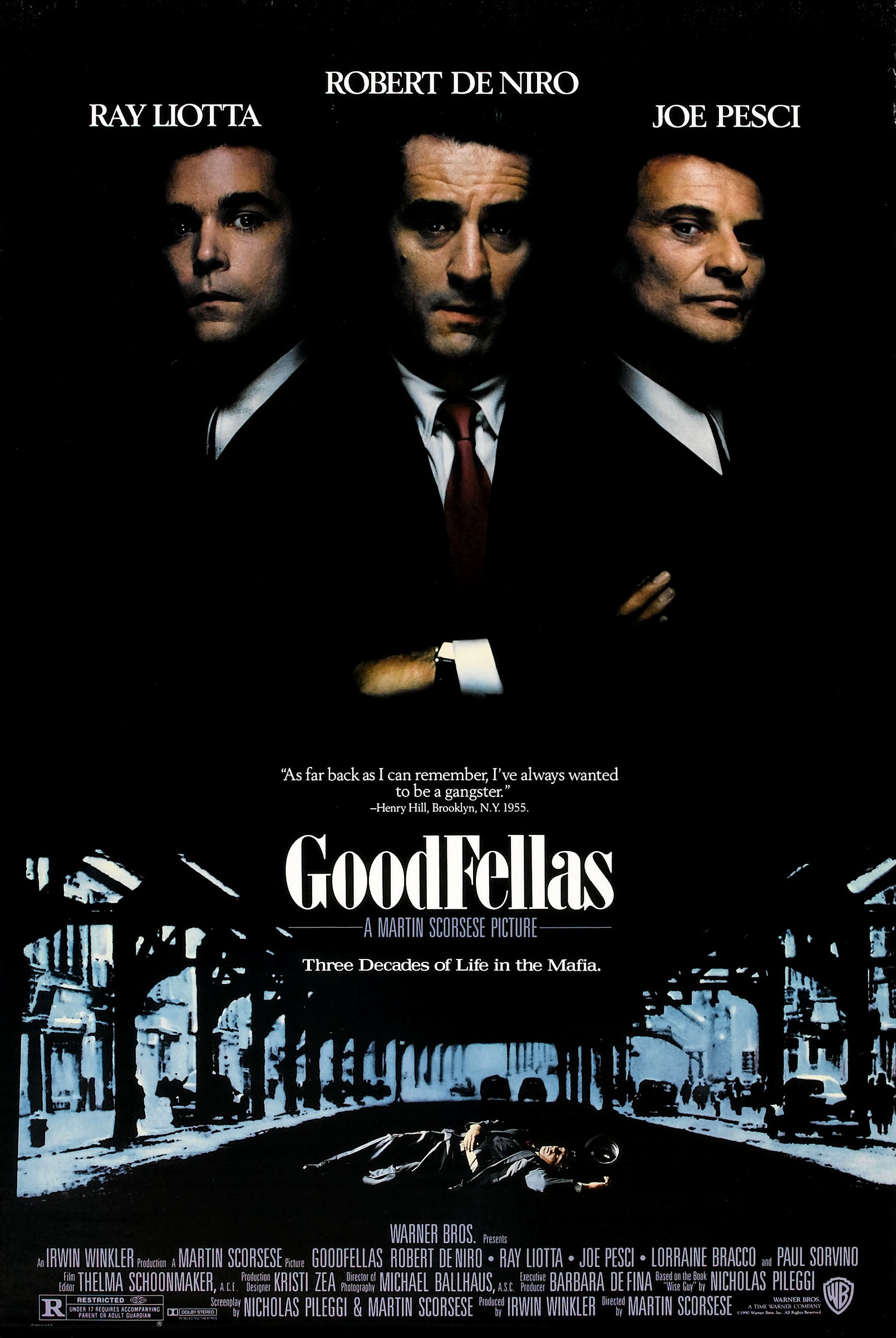
This sub-genre very much focuses on crime, usually from the criminals point of view rather than their 'enemy' the police. Drugs, alcohol, violence and law breaking are all common themes within crime thrillers, also in this sub-genre there tends to be more dialogue than other thrillers, as the plots are more mature  and realistic than others. Even though the antagonist commit crimes, and do wrong in our eyes and society's eyes, the audience still tend to side with them because we begin to see things their way. A change in rules and rule breaking is fun and exciting, so the audience do enjoy being on the 'bad' side, its like being chased is more fun than chasing (which is basically what the police do). Chase scenes are also a common convention of crime-thrillers, which can be complimented with  a handheld camera fast paced blasting music, thus creating suspense and excitement. Looking at the popular crime driven film "Pulp fiction's" (dir. Quentin Tarentino- 1994) this film starts with two small-time criminals, who decide to rob a diner, setting the tone of the film to jump from comfortable atmospheres, to more  forceful ones, which can be a roller-coaster ride of emotions for the audience. We then skip from scenario to another, soon realising that these criminals are more related than we thought, creating a series of bizarre, uncalled for, and sometimes funny incidents. Other examples of crime thrillers include: "Casino Royale" (dir. Martin Campbell- 2006) and "Goodfellas" (dir. Martin Scorsese- 1990)


Horror-thriller:

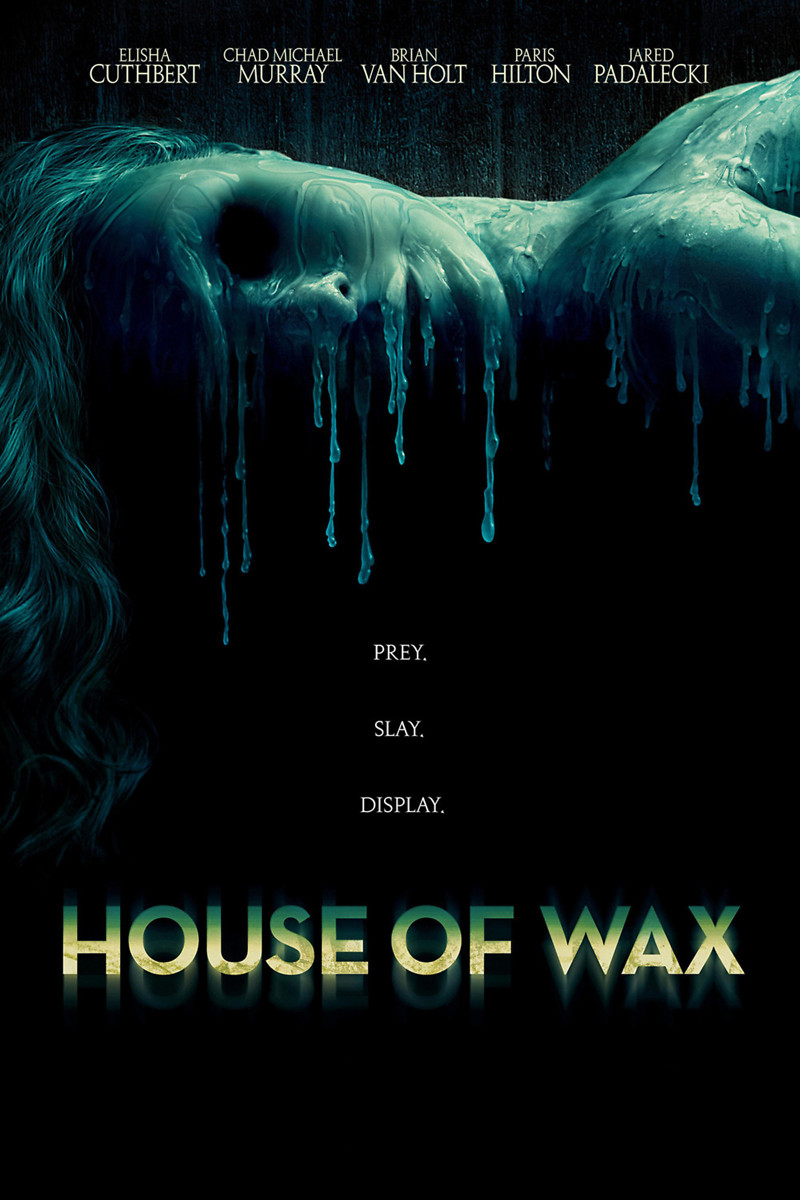
Horror thrillers are known to be more sophisticated than actual horrors, frightening the audience more effectively, making them want to keep watching, playing with their emotions and keeping them on the very edge of their seat. Yet contains more gore, or graphic images than other thriller sub-genres. "House of wax" (dir. Jaume Collet-serra- 2005) includes a dark setting- teens are stranded near a strange wax museum, then next thing they know, they are being hunter, murdered and displayed (in wax), as the tagline basically states... Point of view shots, close ups and handheld cameras are also frequently used to immerse the audience into the plot,  create suspense and intensify the mood, too. other code and conventions within horror thrillers is death, blurry shots and hidden identity, to mask the killer. Other examples are: "The blair witch project" (dirs. Daniel Myrick and Eduardo Sanchez- 1999) and "The hills have eyes" (dir. Alexandre Aja- 2006).


Psychological-thriller:
Psychological thrillers are my personal favourite due to the impact upon the viewers themselves- confusion, anticipation and frustration are only some of the emotions the audience can experience from psychological thrillers, due to the many plot twists and red herrings conventionally found in this sub-genre. Futhermore, showing the complexity of the plot-lines under this category  We tend to go further into the mind of a protagonist, and they are usually somewhat mentally ill. Where the story-line could be made up in there head, or they could have got into a dangerous situation which literally threatens their mental health. The protagonist must use their mental prowess to overcome the issues, a conflict inside their head, or with an opponent.  The audience is always left questioning the sanity of a main character, and sometimes even I feel crazy after watching a psychological thriller. This shows how much this sub-genre really toys with the audiences emotions and thoughts, being tricked constantly allows the audience to doubt them self more. A really good and recent example is "Black swan" (dir. Darren Aronofsky- 2010) where a talented ballet dancer gets the lead role in 'swan lake'. Sadly, we watch her lose herself and her mind fall to bits, as she slowly symbolically morphs from the delicate white swan, to the viscous black swan. Another good example is "Shutter island" (dir. Martin Scorsese- 2010) Teddy Daniels is investigating the mysterious disappearance of a murderess from a hospital for the criminally insane, as the film progresses, the audience start to question the sanity of the protagonist himself, and the existence certain characters! Other psychological thrillers include: "Inception" (dir. Christopher Nolan-2010) and "Sucker punch" (dir. ZackSnyder- 2011). Other conventions include close ups and canted angles to intensify a feeling and suggest madness etc. shadows and mirrors to reflect ones inner darkness taking over. And flashbacks or dreams, for insights into a past life, like on Shutter island where Teddy constantly has nightmares about his dead family, the audience soon come to realise how they really died...


Conspiracy-thriller:
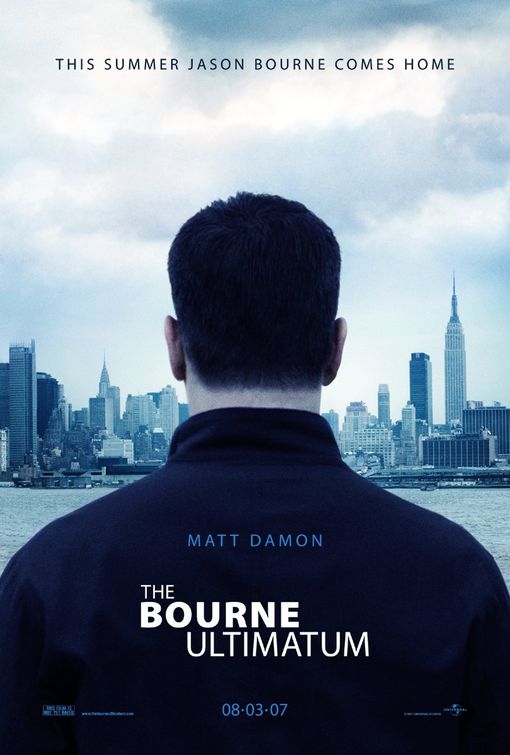
This sub-genre is sometimes also known as a 'paranoid thriller', and is usually based around a protagonist, typically a journalist, an investigator or just a normal innocent person. They come across something they mistake to be small, that slowly reveals to themself, a vast and corrupt world of lies and secrecy and crime. Companies, businesses and even governments tend to be at the centre of it all, causing havoc for the real world, that is naive to these conspiracies. The 'man-in-peril' (or women) then has the aim to either expose this conspiracy to the real world, or escape it- but that takes more than words of truth, and you cant go quietly. An example of a conspiracy thriller is "Changeling" (dir. Clint Eastwood- 2008) A mothers son mysteriously goes missing, the authorities claim to have found him. though the boy is clearly not her son, but an imposter, set up by the  LAPD. Determined to fin her real son, she publically criticises the police, having serious consequences... Conventions of this film include: a dark setting, strong use of low key lighting sets the tone of a grieving mother and suggests there more to be seen that is hidden from her, the female protagonist (another recent convention). Other conspiracy thrillers are: "The bourne ultimatum" (dir. Paul Greengrass- 2007) and "Twelve monkeys" (dir. Terry Gilliam- 1995).


Erotic-thriller:
Erotic thrillers mainly revolve around a relation crisis, such as divorce, adultery, violence and death. The audience also tend to know more than the characters, creating frustration and sympathy on other characters. Some of these relationship conflicts add a sense of reality to the narrative, for example divorces are so common in today's society that its in fact perfectly normal, and more than half married couples, sadly end in divorce, within the younger generations. younger people are also targeted in the demographics, therefore can relate to audience members in ways, also establishing a connection between them and characters, perhaps resulting in attachments to characters based on their own experiences and strong feelings. In some erotic thrillers, the role of women seem to be more seductive and dangerous, this is known as 'femme fatale', though it's an architype of literature, which seems unrealistic or unfamiliar to some men in their past relationships, some plot-lines are still based around this concept, aiming more to excite. Such as "Basic instinct" (dir. Paul Verhoeven- 1992) a man investigate a murder of a rockstar, only to find himself in danger too, with Catherine, a beautiful and seductive woman who is suspected to have murdered the victim in the crime-scene hes undertaken. The audience are left questioning the safety of the characters at the end, as Catherine, the serial killer gets away with it. The main conventions of this film are death, obtrusive editing, and dark settings- All building up tension and suspense throughout the film, as the protagonist nears closer to death in every step he takes. Other films in this sub-genre are: "Eyes wide shut" (dir. Stanley Kubrick- 1999) and "Crimes of passion" (dir. Ken Russell- 1984).


Supernatural-thriller:
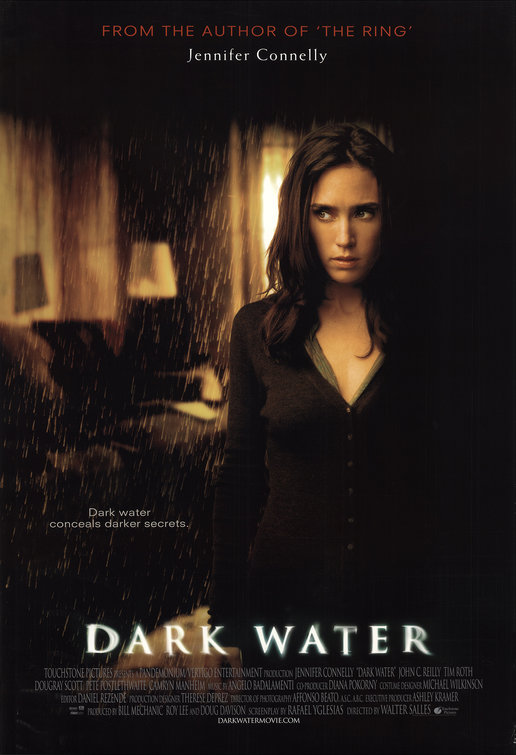
These films have a dark, unknown and spiritual element to them. The protagonist finds themself and sometimes their family, in danger, as they struggle to fight off or even escape the ghostly spirits and paranormal happenings that antagonise them. This can be very disturbing for the audience in ways because they are with the unknown, creating fear and expecting the worst to occur, as it can slip into the horror sub-genres at times. And could also shock the audience in a personal way, perhaps if they have encountered other worldly elements in their life. Conventions of this sub-genre, like a haunted house, unexplainable shadows and mirror reflections of tormented people that aren't real, such as in "Paranormal activity 3" (dir. Henry Joost and Ariel Schulman- 2011) where the young girl is shocked by the reflection in the bathroom mirror, leading to her being attacked... all adding to the scare and suspense that brings the audience to the edge of their seat, but also contributes to the horror sub-genre. Its often that a character can have a psychic ability, though doesn't fully understand how to use it to their advantage, sometimes it can mean worse consequences for them. Like in "Insidious" (dir. James Wan- 2010) a boy gets himself trapped in the supernatural world while in a comma, so it's up to the family to discover the past and help release him from the arms of demons. Shaky cameras are used frequently with creepy music to heighten the suspense and tension of scenes, where the audience cant help but to watch and watch! Other examples include: "The sixth sense" (dir. M. Night Shyamalan- 1999) and "Dark  water" (dir. Walter Salles- 2005).


Sunday, March 3, 2013

Codes and Conventions of a Thriller

Camera Shots:
Close-ups (CU) and Extreme Close-ups (ECU)- These types of shots are generally used in any genre, though in thrillers, they help intensify a feeling or emotion that’s being conveyed to the audience. They can also create a sense of stress, uncertainty or perplexing thoughts, for example, if within a sequence we are only shown quick close-ups of objects or characters features, it means we are not seeing the full picture, we are only seeing close-up bits. So we start to build up different ideas and feelings. Plus, close-ups suggest that the audience should be only focusing on what we are being shown. They exaggerate whatever we are seeing, creating new meaning and hints for the audience to understand individually.

Point of view (POV)- These shots show us exactly what a character is seeing.  This technique creates a kind of connection between the audience and characters. The audience are suddenly a part of the plot, this allows them to see and feel what the character does (whoever's eyes they are looking through) identifying and understanding the character more . So people might ask, how do you know if a point of view shot is being used or not? Well sometimes it’s hard to identify, but usually, we might hear their heavy breathing, or another character looks right at the camera.  Horror and Thriller films use point of view shots to suggest a menacing and unseen presence in the scene, e.g. from the perspective of a killer, looking at the victim- Adding to the excitement and fear of the unknown.


Canted angle- This type of shot has a deliberately slanted angle, being heavy on one side, having a dramatic effect on how the narrative is portrayed to the audience. Painting the picture that something isn't right, something bad has happened or is going to occur. Or if the shot was focused on a character, it might be suggestive of their personality or what role they play, for example, a villain, or a troubled person  etc. The same goes for items and places used in canted angles, to furthermore suggest negative connotations and revelations, like a dark alley, or an abandoned building would be a typical setting of some bad events to occur like a killing. And a cigarette or knife could foreshadow an eventual death or attack. Ultimately creating unease in the audience. This shot can be cleverly paired up with a point of view  shot to suggest disorientation, intoxication, madness and abnormality within a character.

Camera movement:
Handheld camera shots- My personal favourite, handheld camera shots are a great way to really add a strong sense of panic and rush to a scene. Instead of being stuck on a still tripod, handheld shots allow a sense of freedom of motion in the shot, taking in more power and emotion than normal stills. Suddenly we are immersed into the film, as if we are there, running from someone dangerous, for example. This technique is called a ‘shaky camera’, the shakiness of the shot heightens the suspense and excitement, creating this adrenaline rush effect, being a generic feature of a thriller, because, it is simply thrilling us like a roller-coaster ride-and that’s why handheld cameras are so effective and popular within the thriller genre.

Dark setting:
Lighting- 
Low-key lighting is most frequently used within thrillers, and is very effective is setting a fearful mood. It’s a known fact that we are born with two natural fears, and one of them is the dark- so naturally we are put into this mind set of fear, anxiety and anticipation when low-key lighting is used. The use of low-key lighting can suggest that something bad will occur, because it’s thought that bad things happen at night, where darkness takes its place, for example, a robbery, an attack, a rape, etc. This generic feature builds up tension and even mystery, because we often can’t see in dark, though often something lurks, but what? It’s a mystery to us, the viewer. And we want to find out so, the audience is drawn in more. However, the use of high-key lighting means shadows come out much stronger.


Shadows and mirrors- Some people are afraid of shadows, because they can trick us quite easily, or just simply scare us. The use of Black and white accentuates shadows making a scene eerie and dark. Shadows can represent inner darkness, adding tension and creepiness to certain characters. An under-lighting of the face also creates strong shadows of darkness in faces, hiding the emotions of a character, making them look unpleasant and evil- distorted emotions to convey different meanings and suggestions. Or just hiding their actual face, linking into hidden identity. Mirrors can be used cleverly in dark rooms to also represent the reflection of your inner self and soul, being dark and hidden.

Location- Usually in thrillers, locations tend to be very gritty, gloomy and dark. This highlights the thriller genre to the audience again because places that don’t look so pleasant are associated with bad things that happen, thus playing with the audience’s emotions and mood etc. for example, in a made up situation, it’s more like a murder occurred in an abandoned warehouse a place of no life, rather than, let’s say a shopping centre  a place where life thrives. On the other hand, this idea can be altered, with the help of low-key lighting and the time of day. By changing things like that in appearance, means it changes how it’s perceived by the audience. For example "Sucker punch" used a mental institute, which is a very gritty and unpleasant location, and makes the audience feel trapped, like the patients.

Flash backs and forwards:
Flash back and flash forwards are used a lot in thrillers, these create a space and time disorientation and give an insight into a characters past life, allowing the audience to make more opinions on things, leading to predictions etc. They often confuse the audience though. A perfect example would be the entire "Lost" series, yes,the title speaks for itself...

Music and Suspense:
Just like camera movement, music is also a strong influence on the mood of a scene, creating suspense and anticipation in the audience, effectively to 'hook' them, as the music tends to really suggest that something bad is going to down! Like in Christopher Nolan's ''Inception'' the music initially starts quiet, slowly building up, as does the tension, until finally the music hits a point where it blares outs, releasing all the tension into excitement. Though in Alfred Hitchcock's ''Psycho'' (1960), Paralleled sound is used instead, during the shower scene, where Marian Crane (played by Janet Leigh) is murdered with a knife. The sound of high pitched striking violins (or other stringed instruments) are used to match the action of a stabbing knife, which cleverly and effectively shocks the audience more. 

Editing:During post-production, when the film is edited together, it’s important that it is edited cleverly to help create moods, and that it matches the context it’s in, for example, a chase scene would not have cuts, or one continuous shot, it would be more appropriate if fast cuts from close angles etc, are used, creating an adrenaline-rush-like feeling in the use of cuts. Fast paced scenes tend to be very exciting, stressful and thrilling, which is why they are a generic feature of a thriller. An effect on the viewer could be that it gets their hearts racing, which shows how they're immersed in the film. Montages are also used a lot in thrillers, having the same effects on an audience and getting ideas across, too. 

Hidden Identity:These ideas of a hidden identity is a common features of a thriller, it's also closely linked to blurry shots. In the use of camera shots of the waist down of a character are used to help lock away the identity. Or show a different persona in a character as a clever disguise, so they aren't suspected This sense of secrecy creates tension and suspicion in the audience, also leaving them question ''who is it?'' Hidden identities are mainly used in mystery thriller, where the villain isn't revealed until the end, though the audience probably thought it was someone else, cause thrillers often trick the audience into thinking otherwise, shocking the audience.

Blurry shots:
 Blurred images is an effect that can be used to keep the identity of a character hidden from the audience.  Just like the hidden identity idea, blurry shots is a technique that creates secrecy, unknowing and prompts the audience to keep questioning the narrative. Blurry shots are also used within point of view shots, for instance, if the character was knocked out and just opening their eyes to a confusing blurry vision so they cant see who attacked them. Or if the character is intoxicated and is losing focus of their sight, adding a sense of realism to the shot.  Though a connection is established between the audience and a character, through the use of point of view shots, both are left with no significant clues or hints, because what they saw was blurred out.This device intrigues and annoys the audience.

The Narrative:
The narrative tends to be mature, therefore for a maturer audience. This is because of the issues set in thrillers and the gritty realism sometimes evident in thrillers (death, violence, drugs, mental illnesses, etc) The story-line tends to twist and turn a lot with unexpected occurrences, shocking the audience and ultimately keeps them very involved- techniques such as cliff hangers, plot twists and red herrings are used to achieve this. The narrative is carefully planned out for the main protagonist to overcome obstacles the villain has set out, such as in ''Sucker punch'' where the main female character has to scavenge certain, hard to obtain items from the mental institute, in order to escape. Usually a dominant male plays the role of the protagonist, though Sucker punch is a good example to show how over the years, the amount of female protagonists has increased, having a different and unique take on the traditional conventions of thriller, widening the audience. Furthermore, some films withing this genre tend to be open ended so the audience can decide on an ending, for example, in ''shutter island'', its not confirmed whether Teddy Daniels (played by Leonardo DiCaprio) is insane or not.

Death:
Death is a key theme used frequently in the thriller genre. Deaths occur quite often in most narratives because they affect the audience in a different, more personal way compared to other features, for example, if the ''good guy'' was killed, someone who had seemed to develop a relationship with the audience. On the other hand, the audience could be relieved that someone was killed, for example, if it was someone they suspected to be the ''bad guy'', but was actually innocent, means the audience can rule them out, and rethink who the antagonist could be-  similar to Cluedo really. Which happens in mystery thrillers, where the narrative can revolve around the death of a character. Its thought that thrillers are like sophisticated horror films, explaining why thrillers are less graphic when it comes to deaths, though everything is implied more strongly- which can be effective in making the audience imagine what happened. Sometimes deaths occur unexpectedly, shocking and surprising the audience more. Deaths are good to use at the beginning of the plot to set a tone, or sense of impending doom.

Plot-twists and Cliff-hangers:
A plot twist is the unexpected and dramatic change in direction of a plot, often defying the audiences mutual predictions, based on hints and clues within the narrative. A cliff hanger, is a plot device that involves a main character facing a difficult dilemma, or a shocking revelation. This device is featured more in television series, as a cliff-hanger would be mainly used to ensure that the audience come back to watch more to see how the characters deal with the facing issues, or to see the effects on the plot itself. The phrase 'To be continued' came about in the usage of this plot device. A good and recent example of these techniques, is from "American horror story asylum" season 2, episode 5, where the sane and innocent Lana Winters has been rescued from Briacliff Mental institute, by the seemingly well adjusted psychiatrist, Dr. Thredson. Finally she is safe and free, or is she? It shockingly turned out that Thredson was the infamous serial killer, known as 'Bloody face' and she is trapped in his basement. What happens next?! The next episode will reveal all. I personally loved this cliff hanger/ plot twist! This revelation left the audience really shocked, and intrigued them even more. Some twists are fore-shadowed, though might ruin a plot for someone, as most plots are just just building up to the ultimate twist. Plot twists occur more at the end of a narrative, known as a 'surprise ending' obviously surprising the audience, hence the name.

Red-herrings:
 Closely linked in ways to a plot twist, a red herring is where the audience is led into a false sense of belief, only to discover that what they thought was in fact wrong, (like a plot twist). Regarding characters, the false protagonist card is sometimes played. This is where a plot begins with a character perceived to be the protagonist, yet is suddenly 'killed off', revealing the real protagonist.  . Red herrings make the plot more memorable because it messes with the audiences preconceptions, also making the audience sympathies with the false protagonist more.