There is a broad range of thriller sub-genres due to the widely varying plot lines. This means there's lots of different categories of thriller, each one suggests what type of films belong there, and creates expectations within the audience. Some themes and plot lines are so specific that new sub-genre categories are created- weirdly, I came across 'medical-thriller' though I assumed it must be more for literature, cause in film, it could just fit in any other sub-genre. More to the point, sub-genres are often combined, this not only makes the film more interesting and unique, but also widens the demographic, therefore, earning more revenue at the box office. This is very important in today's world, what with piracy being more easy and tempting than ever. for example, bringing together 'psychological' and 'mystery' because they would work well as a pair.
The following sub-genres are:
Mystery-thriller:
This sub-genre is all about the five main questions asked throughout the narrative, what? where? when? why? and the most asked, who? e.g. who killed him? Usually these questions aren't fully answered until the very end and sometimes come with a 'surprise ending' plot twist, effectively shocking the audience after all the anticipation, because we predict who the criminal might be, but not often correctly. Mysteries commonly circulate around crime, so the protagonist tends to be a part of high authority, such as the police or detectives, etc. or just a normal person trying to solve a mystery themselves (that doesnt involve police, but perhaps a forbidden place or a mysterious object). We sometimes only know as much as the protagonist, so the audience ask a lot of questions and even recognise clues and hints. Arguably engaging the audience more than other sub-genres. The codes and conventions used in mystery thrillers include: hidden identity, blurry shots and point of view shots of the villain, to maintain and build up suspense and anticipation within the audience. Flash-backs (not to confuse) but to reveal important information and perhaps clues. And death, as this rules out a possible antagonists. An example of a mystery-thriller is "Identity" (dir. James Mangold- 2003) where 10 strangers stranded in Desolate, come to realise that they are being killed off one by one. But by who? and why? are only few of many questions to be answered. Other good examples include:"Passengers" (dir. Rodrigo Gracia- 2008) and "Se7en" (dir. David Fincher- 1995).


Crime-thriller:
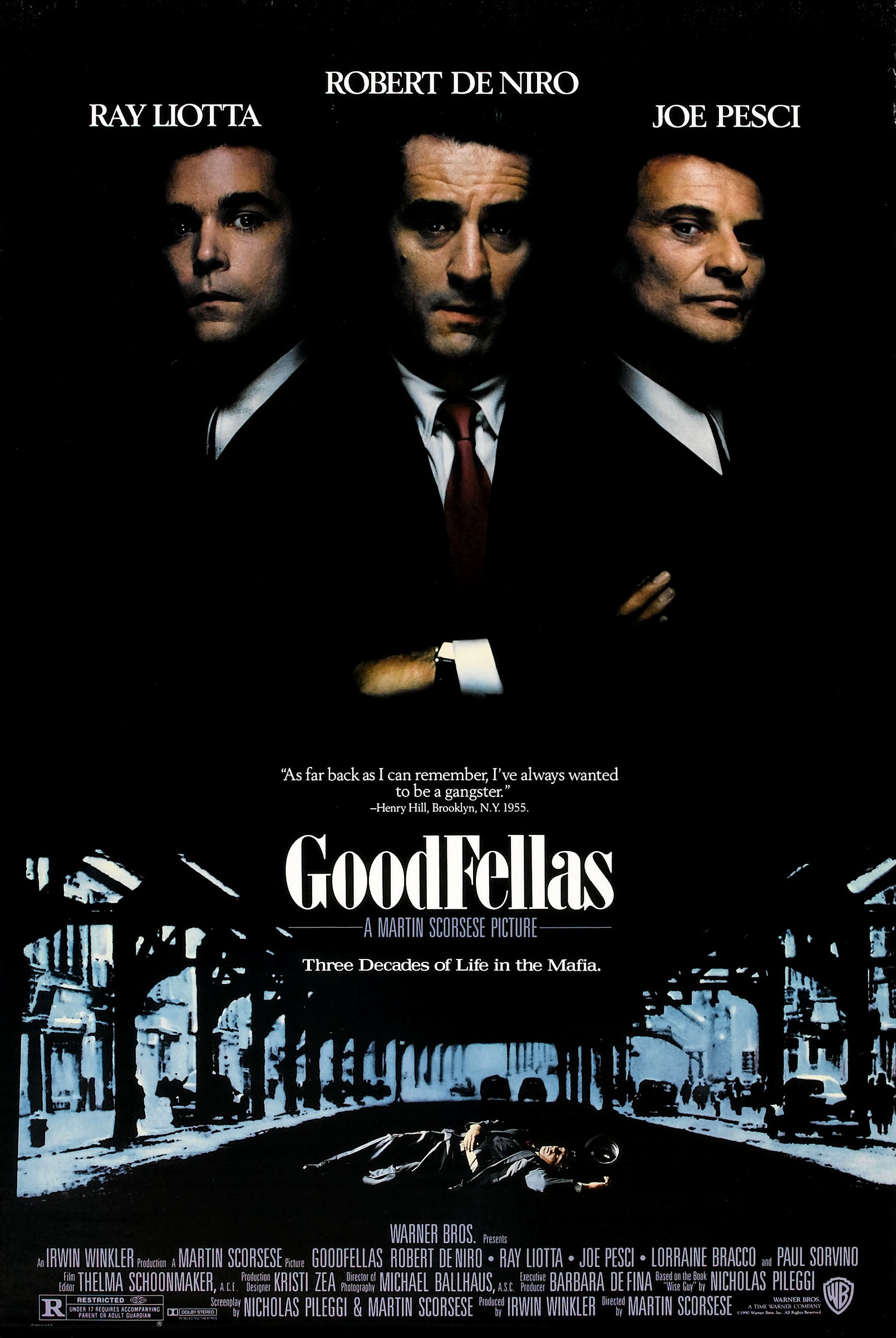
This sub-genre very much focuses on crime, usually from the criminals point of view rather than their 'enemy' the police. Drugs, alcohol, violence and law breaking are all common themes within crime thrillers, also in this sub-genre there tends to be more dialogue than other thrillers, as the plots are more mature and realistic than others. Even though the antagonist commit crimes, and do wrong in our eyes and society's eyes, the audience still tend to side with them because we begin to see things their way. A change in rules and rule breaking is fun and exciting, so the audience do enjoy being on the 'bad' side, its like being chased is more fun than chasing (which is basically what the police do). Chase scenes are also a common convention of crime-thrillers, which can be complimented with a handheld camera fast paced blasting music, thus creating suspense and excitement. Looking at the popular crime driven film "Pulp fiction's" (dir. Quentin Tarentino- 1994) this film starts with two small-time criminals, who decide to rob a diner, setting the tone of the film to jump from comfortable atmospheres, to more forceful ones, which can be a roller-coaster ride of emotions for the audience. We then skip from scenario to another, soon realising that these criminals are more related than we thought, creating a series of bizarre, uncalled for, and sometimes funny incidents. Other examples of crime thrillers include: "Casino Royale" (dir. Martin Campbell- 2006) and "Goodfellas" (dir. Martin Scorsese- 1990)

Horror-thriller:
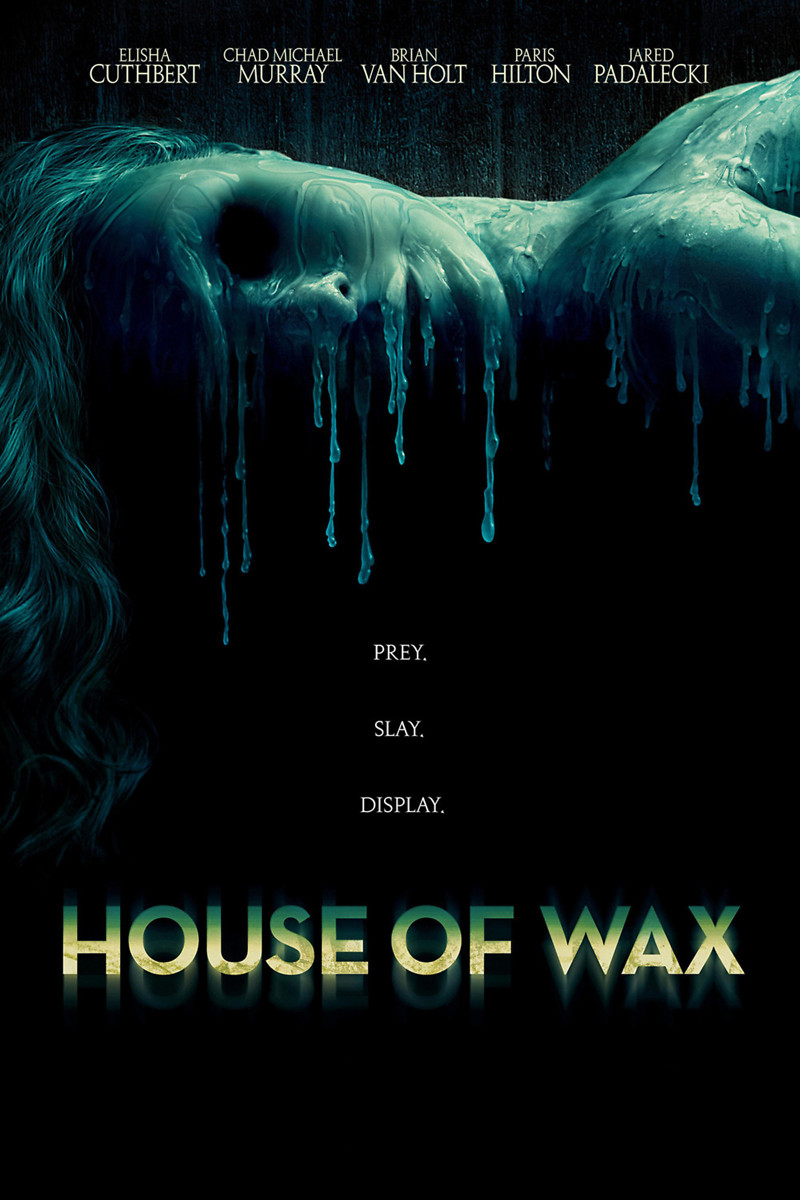
Horror thrillers are known to be more sophisticated than actual horrors, frightening the audience more effectively, making them want to keep watching, playing with their emotions and keeping them on the very edge of their seat. Yet contains more gore, or graphic images than other thriller sub-genres. "House of wax" (dir. Jaume Collet-serra- 2005) includes a dark setting- teens are stranded near a strange wax museum, then next thing they know, they are being hunter, murdered and displayed (in wax), as the tagline basically states... Point of view shots, close ups and handheld cameras are also frequently used to immerse the audience into the plot, create suspense and intensify the mood, too. other code and conventions within horror thrillers is death, blurry shots and hidden identity, to mask the killer. Other examples are: "The blair witch project" (dirs. Daniel Myrick and Eduardo Sanchez- 1999) and "The hills have eyes" (dir. Alexandre Aja- 2006).

Psychological-thriller:
Psychological thrillers are my personal favourite due to the impact upon the viewers themselves- confusion, anticipation and frustration are only some of the emotions the audience can experience from psychological thrillers, due to the many plot twists and red herrings conventionally found in this sub-genre. Futhermore, showing the complexity of the plot-lines under this category We tend to go further into the mind of a protagonist, and they are usually somewhat mentally ill. Where the story-line could be made up in there head, or they could have got into a dangerous situation which literally threatens their mental health. The protagonist must use their mental prowess to overcome the issues, a conflict inside their head, or with an opponent. The audience is always left questioning the sanity of a main character, and sometimes even I feel crazy after watching a psychological thriller. This shows how much this sub-genre really toys with the audiences emotions and thoughts, being tricked constantly allows the audience to doubt them self more. A really good and recent example is "Black swan" (dir. Darren Aronofsky- 2010) where a talented ballet dancer gets the lead role in 'swan lake'. Sadly, we watch her lose herself and her mind fall to bits, as she slowly symbolically morphs from the delicate white swan, to the viscous black swan. Another good example is "Shutter island" (dir. Martin Scorsese- 2010) Teddy Daniels is investigating the mysterious disappearance of a murderess from a hospital for the criminally insane, as the film progresses, the audience start to question the sanity of the protagonist himself, and the existence certain characters! Other psychological thrillers include: "Inception" (dir. Christopher Nolan-2010) and "Sucker punch" (dir. ZackSnyder- 2011). Other conventions include close ups and canted angles to intensify a feeling and suggest madness etc. shadows and mirrors to reflect ones inner darkness taking over. And flashbacks or dreams, for insights into a past life, like on Shutter island where Teddy constantly has nightmares about his dead family, the audience soon come to realise how they really died...


Conspiracy-thriller:
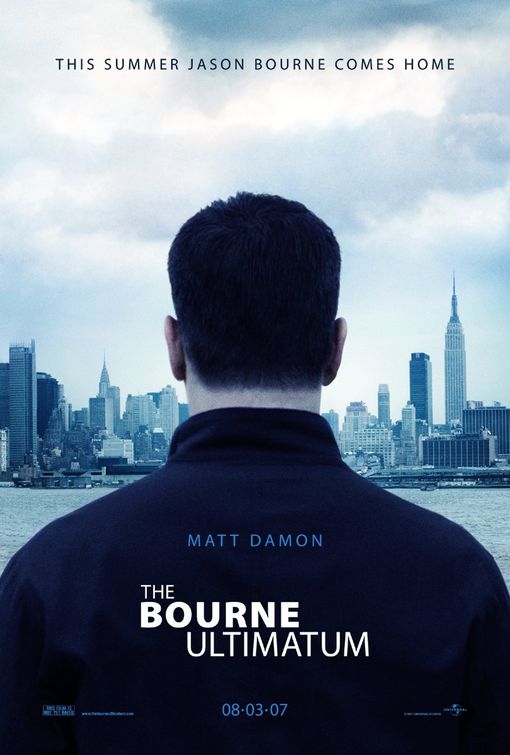
This sub-genre is sometimes also known as a 'paranoid thriller', and is usually based around a protagonist, typically a journalist, an investigator or just a normal innocent person. They come across something they mistake to be small, that slowly reveals to themself, a vast and corrupt world of lies and secrecy and crime. Companies, businesses and even governments tend to be at the centre of it all, causing havoc for the real world, that is naive to these conspiracies. The 'man-in-peril' (or women) then has the aim to either expose this conspiracy to the real world, or escape it- but that takes more than words of truth, and you cant go quietly. An example of a conspiracy thriller is "Changeling" (dir. Clint Eastwood- 2008) A mothers son mysteriously goes missing, the authorities claim to have found him. though the boy is clearly not her son, but an imposter, set up by the LAPD. Determined to fin her real son, she publically criticises the police, having serious consequences... Conventions of this film include: a dark setting, strong use of low key lighting sets the tone of a grieving mother and suggests there more to be seen that is hidden from her, the female protagonist (another recent convention). Other conspiracy thrillers are: "The bourne ultimatum" (dir. Paul Greengrass- 2007) and "Twelve monkeys" (dir. Terry Gilliam- 1995).

Erotic-thriller:
Erotic thrillers mainly revolve around a relation crisis, such as divorce, adultery, violence and death. The audience also tend to know more than the characters, creating frustration and sympathy on other characters. Some of these relationship conflicts add a sense of reality to the narrative, for example divorces are so common in today's society that its in fact perfectly normal, and more than half married couples, sadly end in divorce, within the younger generations. younger people are also targeted in the demographics, therefore can relate to audience members in ways, also establishing a connection between them and characters, perhaps resulting in attachments to characters based on their own experiences and strong feelings. In some erotic thrillers, the role of women seem to be more seductive and dangerous, this is known as 'femme fatale', though it's an architype of literature, which seems unrealistic or unfamiliar to some men in their past relationships, some plot-lines are still based around this concept, aiming more to excite. Such as "Basic instinct" (dir. Paul Verhoeven- 1992) a man investigate a murder of a rockstar, only to find himself in danger too, with Catherine, a beautiful and seductive woman who is suspected to have murdered the victim in the crime-scene hes undertaken. The audience are left questioning the safety of the characters at the end, as Catherine, the serial killer gets away with it. The main conventions of this film are death, obtrusive editing, and dark settings- All building up tension and suspense throughout the film, as the protagonist nears closer to death in every step he takes. Other films in this sub-genre are: "Eyes wide shut" (dir. Stanley Kubrick- 1999) and "Crimes of passion" (dir. Ken Russell- 1984).


Supernatural-thriller:
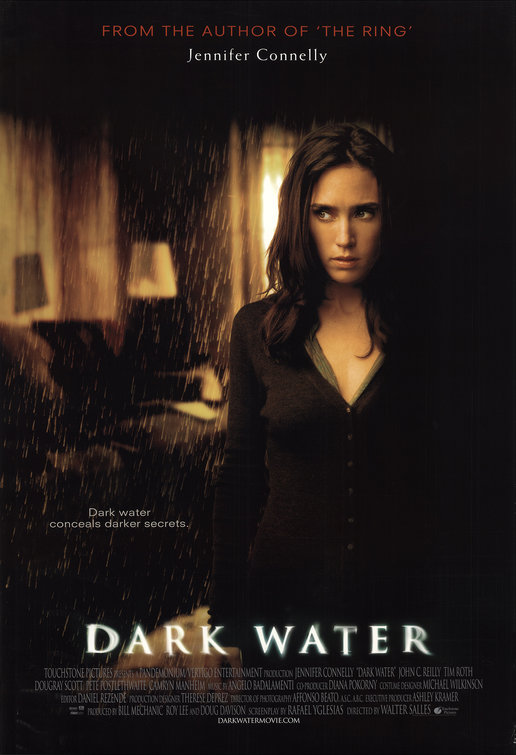
These films have a dark, unknown and spiritual element to them. The protagonist finds themself and sometimes their family, in danger, as they struggle to fight off or even escape the ghostly spirits and paranormal happenings that antagonise them. This can be very disturbing for the audience in ways because they are with the unknown, creating fear and expecting the worst to occur, as it can slip into the horror sub-genres at times. And could also shock the audience in a personal way, perhaps if they have encountered other worldly elements in their life. Conventions of this sub-genre, like a haunted house, unexplainable shadows and mirror reflections of tormented people that aren't real, such as in "Paranormal activity 3" (dir. Henry Joost and Ariel Schulman- 2011) where the young girl is shocked by the reflection in the bathroom mirror, leading to her being attacked... all adding to the scare and suspense that brings the audience to the edge of their seat, but also contributes to the horror sub-genre. Its often that a character can have a psychic ability, though doesn't fully understand how to use it to their advantage, sometimes it can mean worse consequences for them. Like in "Insidious" (dir. James Wan- 2010) a boy gets himself trapped in the supernatural world while in a comma, so it's up to the family to discover the past and help release him from the arms of demons. Shaky cameras are used frequently with creepy music to heighten the suspense and tension of scenes, where the audience cant help but to watch and watch! Other examples include: "The sixth sense" (dir. M. Night Shyamalan- 1999) and "Dark water" (dir. Walter Salles- 2005).


No comments:
Post a Comment